
Sinus Lift in Springfield, MO
A healthy and confident smile depends on more than just your teeth. It also relies on the strength and stability of the jawbone. When the bone is strong, dental implants can anchor securely and function like natural teeth. But in the back part of your upper jaw, there isn’t always as much bone as we’d like. It might have naturally developed that way, or it could have thinned over time after losing a tooth. To make matters a bit more complicated, your sinus cavities sit just above this area, leaving even less room for an implant. But a sinus lift can help. This specialized procedure gives your implant the space and stability it needs so you can chew and smile with confidence again.
What Is a Sinus Lift?
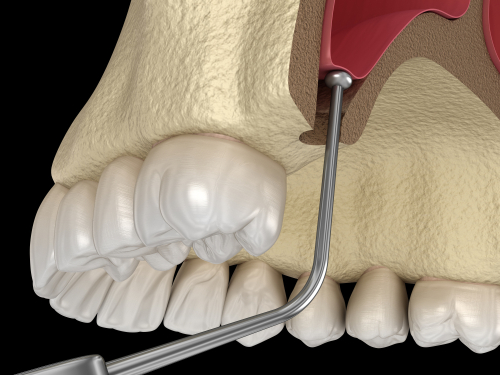
You may have been told you need a sinus lift if there isn’t enough bone height in your upper jaw to safely place a dental implant. This area, where your upper molars are, is located just below your sinus cavities. If you’ve lost a tooth here, you may not have enough bone to securely anchor a dental implant. But why?
Over time, missing teeth in the upper back jaw can lead to bone loss, and the sinus cavity may expand into the space where your tooth roots once were. Some individuals also naturally have shorter or thinner upper jawbones or lower sinus floors. In these situations, there may not be enough bone to support a dental implant.
A sinus lift gently raises the sinus floor and adds bone beneath it to make room for dental implants. The procedure increases bone height, giving your implants the solid foundation they need to stay secure in your upper molar area.
At your free implant consultation, we’ll take a detailed 3D scan to assess the volume and density of your jawbone and determine if you’ll need a sinus lift.
Sinus Lifts vs. Bone Grafts
A bone graft restores and strengthens the jawbone by adding natural or synthetic bone material to areas that need more support. While both sinus lifts and bone grafts help build up the jawbone, they address different areas. Bone grafting can be done in any area where bone is deficient. On the other hand, sinus lifts are specific to the upper back jaw where the sinuses are located.
A sinus lift often involves a bone graft, but this depends on the amount of existing bone and the type of implant we use.
Why Bone Height Matters for Dental Implants
If you were told that you need a sinus lift, you may be wondering why bone height even matters. It’s all about stability. Dental implants rely on your jawbone for support, just like a fence post needs solid ground to stay upright. If there isn’t enough bone height, the implant may not have the support it needs to function long-term. This is especially important in the upper back jaw, where the sinus cavities sit just above the teeth. When teeth are missing in this area, the bone can shrink. Unfortunately, this leaves less space for an implant to anchor securely.
Without enough bone, implants may loosen, fail, or not be possible at all. Procedures like bone grafts and sinus lifts help rebuild this foundation, providing your implant with the support it needs to function reliably for many years. Investing in proper bone height now helps protect your smile for the future.
Sinus Lift Methods
There are two main ways to perform a sinus lift. The best method depends on your bone structure, your needs, and the type of implants being used.
Direct Sinus Lift
A direct sinus lift is needed when there’s very little bone present in the area below your sinuses. This method is effective for creating substantial bone height for larger, traditional implants. During this oral surgery, we create a small window in the bone to access the sinus membrane, which we gently lift. We then place bone graft material into the newly formed space. Over time, it will gradually fuse with your natural bone, creating a stable base for implants.
Indirect Sinus Lift
An indirect sinus lift (commonly known as a sinus bump) is a more conservative approach. Instead of accessing the sinus through the side, we simply go through the hole we make to place the implant. With this method, we can raise the sinus membrane and place the implant during a single visit. And because it’s less invasive, the process is more comfortable and you’ll heal more quickly.
Do You Need a Sinus Lift for Mini Dental Implants?
Sinus lifts are much less common with mini dental implants. Because mini implants are narrower, they require less bone to begin with. In many cases, we can place them directly into the existing bone without any extra steps.
That said, every smile is different. If your upper jawbone is especially thin or your sinuses sit lower than average, we may still recommend a sinus bump (indirect sinus lift). This gentle, minimally invasive approach allows us to lift the sinus floor just enough to create room for the implant. And, we can do it at the same time we place your implant.
The sinus bump is quick and comfortable, and it has a much faster recovery than traditional sinus lift techniques. If you do need one, we’ll make sure you’re comfortable and confident throughout the process.
Build the Foundation for Your New Smile Today
If you’ve been told you don’t have enough bone for dental implants, a sinus lift may be the solution. A traditional sinus lift can rebuild significant bone, and a gentle sinus bump can create just the right amount of space. At your free consultation, we’ll take a 3D scan to determine if you need a sinus lift and identify the best approach for your needs. With the added bone support, your implants can stay secure, look natural, and last for years.
Now’s the time to enjoy the confident, functional smile you’ve always deserved. Call us today to schedule a free dental implant consultation.
Frequently Asked Questions
A sinus lift sounds more intimidating than it actually feels! We use local anesthesia to make sure you’re completely comfortable during the procedure. Afterward, you may experience some swelling or mild soreness for a few days, but over-the-counter pain relievers are usually all it takes to alleviate discomfort. At your visit, we’ll give you detailed aftercare instructions to help make your recovery smooth and stress-free.
A sinus lift doesn’t change the shape of your face. It can actually help protect it!
When you lose a tooth, the bone that once supported it starts to shrink because the tooth root is no longer stimulating it. Over time, this bone loss can change your facial appearance. Without enough bone support, your cheeks can begin to look hollow or sunken. A sinus lift builds up the bone in your upper molar area, making it possible to place secure dental implants.
These implants act like natural tooth roots, preserving your facial structure and keeping your smile looking full and healthy.
Healing time depends on the method used. A traditional (direct) sinus lift, which is necessary when there’s very little bone, typically requires several months for the bone to heal before implant placement. An indirect sinus lift (or sinus bump) is much less invasive and allows us to place your implants the same day. With this method, most people heal in just a few days and experience only minimal swelling or discomfort.
Related Videos
- Health Factors to Consider Before Getting Dental Implants
- What Should I Expect at My First Implant Consultation?
- How Long Does a Dental Implant Procedure Take?
- What Is a Mini Dental Implant?
- Who Is Eligible for Mini Dental Implants?
- What If I Don’t Have Enough Bone for a Dental Implant?
- Do Mini Dental Implants Require Bone Grafting?
- Can I Replace a Missing Tooth in One Day?
- Can I Get a Tooth Pulled and a Dental Implant The Same Day?
- A Comprehensive Guide to the Mini Dental Implant Process
- Success Rates of Mini Dental Implants: What You Need to Know
- Are Mini Dental Implants Painful?
- Healing After Mini Implant Placement
- What Are the Advantages of One-Piece Implants?
- The Cost of Mini Dental Implants
- Payment Plans for Implant Treatment
- Different Types of Dentures: Which One Is Best For You?
- Who Qualifies for Implant-Supported Dentures?
- Solutions for Loose Dentures
- Can You Convert My Denture Into an Implant Denture?
- How Many Dental Implants Will I Need for My Implant Denture?
- Fixed vs. Removable Dental Implant Options
- Implant-Supported Dentures In a Day
- How To Care for Your Implant-Supported Dentures
- Implant Dentures Cost & Pricing Explained
- Does Insurance Cover Implant Dentures?